Nobody in Concord dreams about laundry. They dream about the two hours it eats on a Sunday. Wash and fold services exist for that arithmetic, and the honest comparison with the home machine is not really about clean. Both get clothes clean. It is about time, about which loads a home machine handles badly, and about what comes back noticeably better when someone with commercial equipment and a folding table does it.
This piece runs the comparison across the year, because the right answer changes with the season. Pollen season, summer humidity, and the winter blanket rotation all tilt the math in different directions.
| Season in Concord | Home machine reality | Where wash and fold helps most |
|---|---|---|
| Spring pollen season | Bedding and towels need frequent hot washes as pollen coats everything, and loads pile up fast. | Bedding, towels, and the weekly family volume, returned folded and ready to shelve. |
| Summer humidity | Loads left in the washer sour within hours, and home dryers run long in heavy air. | Work clothes and kids' clothes on a steady weekly rhythm, with no sour-load rewash waste. |
| Fall sports and school | Uniforms and practice gear need fast turnarounds between games, often midweek. | Midweek uniform loads, plus household items like slipcovers after summer guests leave. |
| Winter blanket season | Comforters and heavy blankets strain or exceed home machine capacity and dry unevenly. | The big items: comforters, duvets, and blankets that need commercial capacity to wash and fully dry. |
The time math, stated plainly
A load at home is not just machine time. It is sorting, loading, moving, drying, folding, and carrying, spread across an evening in interrupted pieces that colonize the whole day. A household running five loads a week spends several hours on that cycle, and the folding is the part most people postpone into a chair pile. Wash and fold collapses your share to drop-off and put-away. The clothes return washed, dried, folded, and sorted in a way a household can shelve in minutes.
What it does not do is replace judgment. Delicates, wool, structured garments, and anything with a care label you had to read twice do not belong in a bulk laundry load, at home or anywhere else. Those go the dry-cleaning or hand-care route.
What comes back better
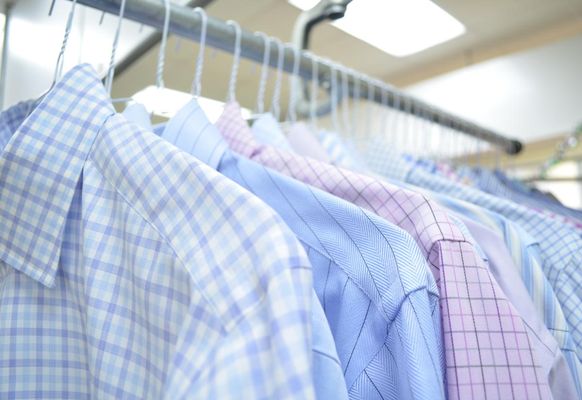
Commercial machines earn their keep on capacity and heat. Towels and bedding wash in genuinely hot water with room to agitate, which is why service-washed towels often feel cleaner than home-washed ones from the same house. Drying is complete, which matters in the Piedmont: a comforter that feels dry on the surface and stays damp in the middle will smell musty within days. Pressed shirts are the other clear win. A laundry service's shirt finishing, the crisp collar and flat placket from a proper press, is the one result home ironing rarely matches without serious time at the board.
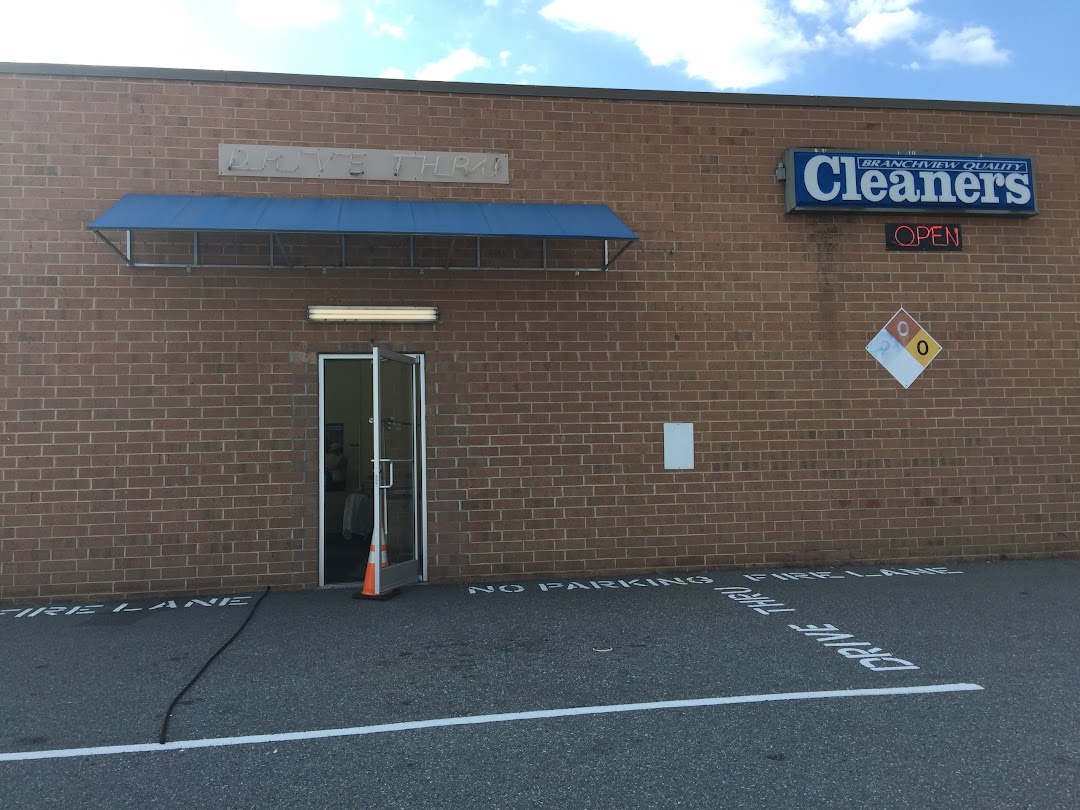
At Branchview Quality Cleaners, shirt laundry and household items sit alongside dry cleaning for exactly this reason. The household decides load by load: bulk basics out, delicates handled with care, shirts finished by the press.
A sensible hybrid for most households
Few households outsource everything, and few need to. The pattern that works is seasonal and selective. Send the bulky rotation, comforters at the change of seasons, blankets, and the bedding backlog. Send the weekly volume during the busiest stretches of school and work. Keep small, quick, personal loads at home. Review the arrangement twice a year, when the season turns, and adjust. Laundry is a system, and like any system it works best when someone occasionally looks at it on purpose instead of just enduring it every Sunday.
What the comparison leaves out
Preference counts too. Some people like the rhythm of a Saturday laundry morning and find folding genuinely restful. That time is not wasted time, and no honest comparison should count it as such. Outsource the loads you resent, keep the ones you do not mind, and let the system fit the household instead of the other way around.
Common questions
Is wash and fold the same as dry cleaning?
No. Wash and fold is water washing and tumble drying for everyday laundry, priced and handled by the load. Dry cleaning is a separate solvent process for garments that need it.
What should never go in a wash and fold load?
Wool, silk, structured or lined garments, delicates, and anything with fragile trim. Those need dry cleaning, hand care, or a careful home cycle instead.
How do I keep service laundry sorted by family member?
Use separate bags per person or per room at drop-off and say so at the counter. Most mix-ups are prevented by how the load arrives, not how it is washed.
Photos in this guide are representative stock images.
← All guides from Branchview Quality Cleaners← Back to Branchview Quality Cleaners