The shirt is fine at breakfast and stained by lunch, and you need it tomorrow. That is the moment same-day service exists for in Concord. It also helps to know what same-day actually does to a garment's path through the shop, because a rush job is not the standard job done faster in every respect. Some steps compress well. Others should not be compressed at all, and a good cleaner will tell you which item is which before you leave the counter.
Think of it as troubleshooting in advance: what is the problem, what does the garment need, and does the clock allow it? Work through those three questions and most rush decisions make themselves.
The symptom: you need it back today
Start with why it is urgent, because urgency changes the advice. A fresh spill on a washable shirt is a different case from a delicate dress needed for an evening event, and both differ from a suit that simply needs pressing. Fresh stains benefit from speed, since many lift more easily before they dry and set. Delicate construction does not benefit from speed at all. Beading, glued trims, fragile vintage fabric, and anything with an unknown stain should move at the pace the garment sets, not the pace your calendar sets.
Finding the cause: where the time actually goes
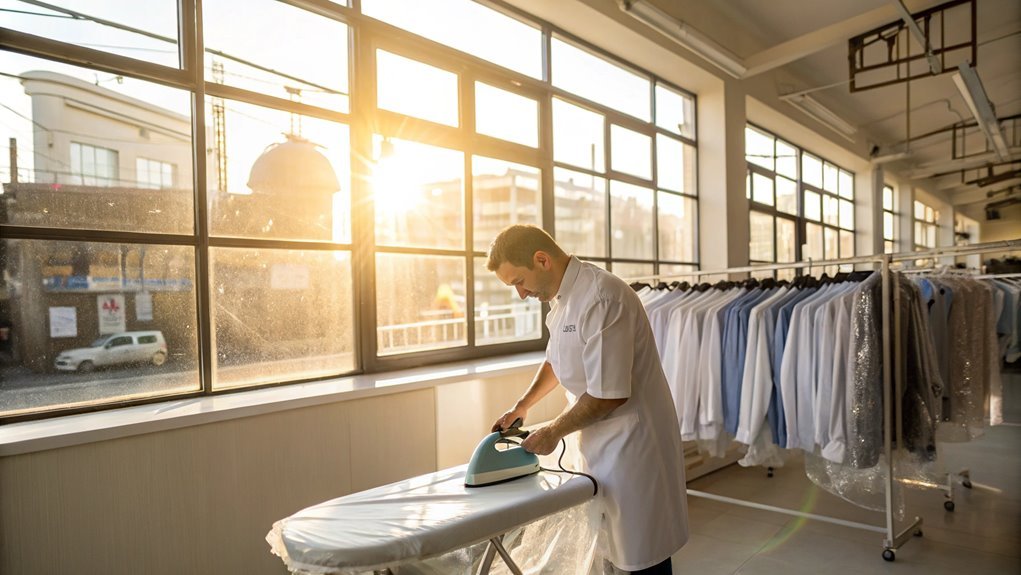
A garment's trip has fixed stages: check-in and inspection, stain pre-treatment, the cleaning cycle itself, drying or solvent recovery, pressing, and a final inspection before bagging. Same-day service mostly removes the waiting between those stages. Your item does not sit in a queue, and it may run in a smaller, earlier load. What it cannot remove is chemistry and physics. Pre-treatment needs dwell time to work, solvent needs time to clear from fabric, and a press done on a still-damp garment can set a crease or a shine that was never in the original.
That is why some items are poor rush candidates no matter how politely you ask. Heavily soiled household pieces, garments with set or oily stains needing repeated treatment, and anything requiring a specialist, such as leather, simply take the time they take.
- Name the deadline honestly. Say when you will wear it, not just when you want it. A cleaner can plan backward from an event time.
- Identify the stain and the fabric. Say what spilled, when, and whether you treated it. Point to care labels and any fragile trim at check-in.
- Ask which step would be rushed. If the answer is stain dwell time or drying, consider whether a partial job, cleaning without a risky treatment, is safer.
- Split the order. Rush the one item you need tonight and let the rest run on the normal schedule. This is the most common sensible solution.
- Decide at pickup, not by hope. Inspect the garment at the counter. If a rushed press or a faint stain remains, you still have time to discuss options before the event.
Fix it yourself or hand it over?
At home, you can buy time safely. Blot a fresh spill, keep it away from heat, and leave the fabric alone. What you should not do in a rush is experiment. Home stain products, club soda rituals, and hot water can set a stain or spread dye in minutes, converting a routine professional clean into a salvage job. For washable everyday shirts, a careful home wash and iron is a legitimate plan B if the cleaner says the timeline is too tight. For structured, lined, or delicate pieces, there is no home equivalent, and a half-done rush is riskier than a plain conversation about alternatives, including wearing the backup you already own.
In Concord, shops like Branchview Quality Cleaners see the same pattern every week: the rush that works is the one where the customer arrived early in the day, named the deadline plainly, and let one ordinary garment move fast while the tricky one moved carefully.
The counter conversation that prevents trouble
Two sentences at drop-off do most of the work: when you need it, and what happened to it. Cleaners plan loads, treatments, and pressing order around those answers. A garment dropped with no deadline and no stain history gets the standard path, which is fair, but it cannot be rescued at closing time by information that arrived at pickup.
Common questions
What items handle same-day service best?
Everyday washable shirts, trousers, and simple garments with fresh, known stains do best. They need no specialist treatment and press quickly once clean and dry.
What should never be rushed?
Beaded, glued, vintage, or heavily stained pieces, and anything sent to a specialist such as leather. Their key steps, dwell time and careful drying, cannot be shortened safely.
Does dropping off earlier in the day help?
Yes, more than almost anything else. A morning drop-off gives pre-treatment and drying their full time even inside a same-day promise, which protects the finish.
Photos in this guide are representative stock images.
← All guides from Branchview Quality Cleaners← Back to Branchview Quality Cleaners