A leather jacket does not go through the same door, process, or timeline as a suit, even when you hand both across the same Concord counter on the same morning. Leather and suede are skins, not fabrics. They react to solvents, water, and heat in their own ways, which is why reputable cleaners send them to specialists and why the honest turnaround is measured in weeks, not days.
Season decides when this matters. In the Piedmont, leather comes out of the closet in the fall, gets worn through winter rain and road salt, and goes back into storage in spring, sometimes carrying problems that a summer in a hot closet will make permanent. Timing the cleaning around that cycle is most of the craft on the owner's side.
Why leather leaves the building
Specialist leather cleaning uses processes built for skins: gentle cleaning that lifts soil without stripping the natural oils, followed by conditioning and, when needed, color work to even out fading. A general dry-cleaning solvent bath can dry leather out, stiffen it, or shift its dye. Suede adds its own difficulties, since its napped surface shows water spots, absorbs oils readily, and cannot simply be pressed flat afterward. Specialists also handle the finishing, brushing the nap, treating edges, and checking linings and zippers that take stress differently on a heavy skin garment.
That routing explains the signature on a waiver and the longer quote. You are not paying for mystery. You are paying for a separate workshop, separate chemistry, and shipping both ways.

Before you bring leather or suede in
- Empty every pocket: Check inside and out. Ink pens and lip balm left in a pocket can ruin a skin in any process.
- Note existing damage: Point out tears, loose buttons, worn cuffs, and prior spots. Photographing the garment at home first is a fair, calm precaution.
- Name the stains: Salt lines, rain spots, oil, and ink each need different handling. Say what happened and when.
- Check the season: Best timing is right after the wearing season ends, before storage. Fail sign: putting a salt-stained jacket away until fall.
- Plan the turnaround: Specialist work commonly takes two to three weeks or longer. Fail sign: needing the jacket for an event this weekend.
- Ask about color risk: Faded areas may clean unevenly, and multi-tone or glued-trim pieces carry extra risk. A direct question deserves a direct answer.
The seasonal rhythm that protects the garment
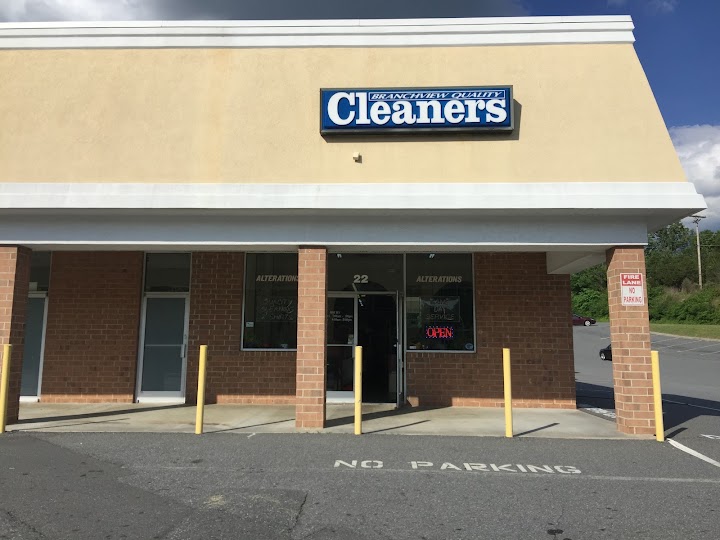
Late winter and early spring are the smart cleaning window in North Carolina. Road salt splashed from wet streets dries into pale lines that draw moisture and stiffen the skin if left in place, and body oils accumulate at collars and cuffs all season. Cleaned in spring, a jacket goes into a cool, dry closet clean and conditioned, stored on a wide padded hanger that supports its weight, in a breathable cover rather than sealed plastic. Fall is the inspection window: take the piece out before you need it, check for mildew odor after a humid summer, surface mold, or stiff patches, and leave time for specialist care if something needs attention. At Branchview Quality Cleaners, that fall check is a two-minute conversation that saves a December disappointment.
Care you can do at home between cleanings
Wipe road salt off with a barely damp cloth the day it happens, then let the garment air dry away from heat vents, never with a hair dryer. Brush suede with a suede brush when dry to lift dust and restore the nap, and keep a suede eraser for small marks. Hang leather on wide hangers, keep it out of direct sun that fades dye, and never store it folded. Skip home leather products of unknown type on aniline or delicate finishes; the wrong conditioner can darken a skin permanently. Home care maintains. It does not deep clean, and knowing that boundary keeps a good jacket good for decades.
A final word on expectations
Specialty care improves most honest wear: surface soil, salt lines, dullness, and light marks. It does not rewind deep cracks, dye loss worn through to the skin, or damage from a previous wrong process. A good specialist conversation names that line before the garment ships, so the coat you get back in three weeks matches the coat you were promised at the counter.
Common questions
Why does leather cleaning take weeks?
Because the garment travels to a specialist workshop, is cleaned and conditioned with skin-specific processes, and may need color or finishing work before it returns.
Can every stain come out of suede?
No. Suede absorbs oils deeply and some marks improve rather than disappear. A specialist will inspect the piece and give honest odds before starting.
How often does a leather jacket need professional cleaning?
For a regularly worn jacket, cleaning at the end of each wearing season, or every year or two, is typical. Salt exposure and visible soil at the collar argue for sooner.
Photos in this guide are representative stock images.
← All guides from Branchview Quality Cleaners← Back to Branchview Quality Cleaners